Window Tint for Home: Energy and Privacy
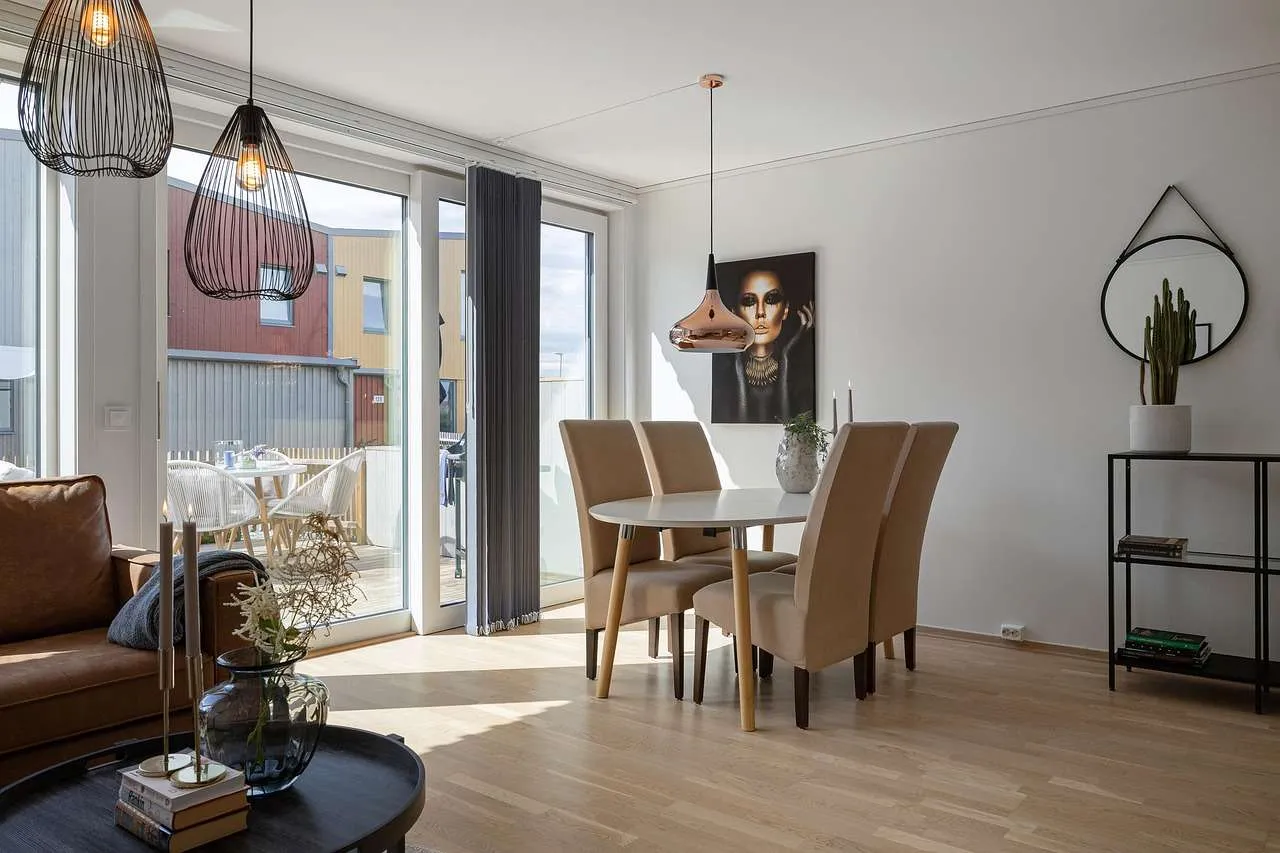
Window tint for home refers to a thin film applied to interior or exterior glass to control light, heat, and glare. Modern window films are designed to be durable, fade-resistant, and compliant with local rules. They can be installed on most residential windows, including single- and double-pane units, and can be applied to skylights or patio doors.
What is window tint for home?
Window tint for home is a thin film that reduces solar heat gain, blocks UV rays, and increases privacy. Films come in different thicknesses and compositions to balance light transmission with performance.
Benefits for homeowners
- Energy savings by reducing cooling load in warm seasons
- UV protection to prevent furniture fading and skin exposure
- Glare reduction for comfortable screens and daytime activities
- Enhanced privacy
- Added safety with shatter resistance on impact
Choosing the right tint
Climate, home orientation, and local rules all matter. Start with visible light transmission (VLT) targets that align with your privacy needs and daylighting goals. For kitchens and living areas, a higher VLT keeps rooms bright; for bedrooms, lower VLT increases privacy while still allowing natural light. Check warranty terms and ensure the film is certified for UV rejection and glare control.
Types of window tint for home
Dyed film
Dyed films are inexpensive and good at reducing glare. They provide color-rich appearance but can fade over time and offer modest heat rejection compared with more advanced technologies.
Metalized film
Metalized films reflect a portion of solar energy and can add rigidity to glass. They deliver strong heat reduction and privacy but may interfere with some electronics and clear viewing from the outside at certain angles.
Ceramic film
Ceramic films use ceramic particles to block heat and UV without adding noticeable reflectivity. They offer excellent optical clarity, durability, and performance in a range of climates.
Carbon film
Carbon films reduce infrared heat and provide a rich, non-reflective appearance. They are durable and help preserve natural light without excessive glare.
Nano-ceramic film
Nano-ceramic films are among the premium options, delivering high heat rejection, superior clarity, and low reflectivity while remaining non-metallic for electronics compatibility.
Cost and ROI
Prices vary by film type, window size, and installation. Typical ranges per square foot (materials plus professional installation) include:
- Dyed film: $5–$8
- Metalized film: $6–$12
- Ceramic film: $8–$15
- Carbon film: $8–$18
- Nano-ceramic film: $12–$25
Installation options and tips
For best results, consider professional installation. Trained installers ensure proper adhesion, edge sealing, and warranty coverage. If you DIY, plan for accurate window measurements, a clean, dust-free workspace, and careful surface preparation. Avoid applying film to glass edges with existing seals compromised by moisture, and follow manufacturer care instructions to maintain warranty.
Maintenance and care
Clean films with soft cloths and mild, non-ammonia cleaners. Avoid abrasive pads. Regular inspections help detect bubbling or peeling early, so you can address it under warranty.
Comparison of common tint types
| Type | Light Transmission (VLT) | UV Rejection | Heat Reduction | Durability | Ideal Use |
|---|---|---|---|---|---|
| Dyed film | 40–80% | High | Moderate | Low to Moderate | Budget-friendly rooms |
| Metalized film | 20–60% | High | High | High | Glare control with electronics caveats |
| Ceramic film | 35–70% | Very high | High | High | All-around performance |
| Carbon film | 40–70% | Very high | High | High | Non-reflective, durable |
| Nano-ceramic film | 40–70% | Very high | Very high | Very high | Premium performance |
Conclusion, choosing window tint for home requires balancing light, heat, privacy, and budget. Assess your climate and orientation, compare film types, and rely on certified installers to ensure safety, performance, and long-term value.