EPDM Roofing: Durable Rubber Membranes
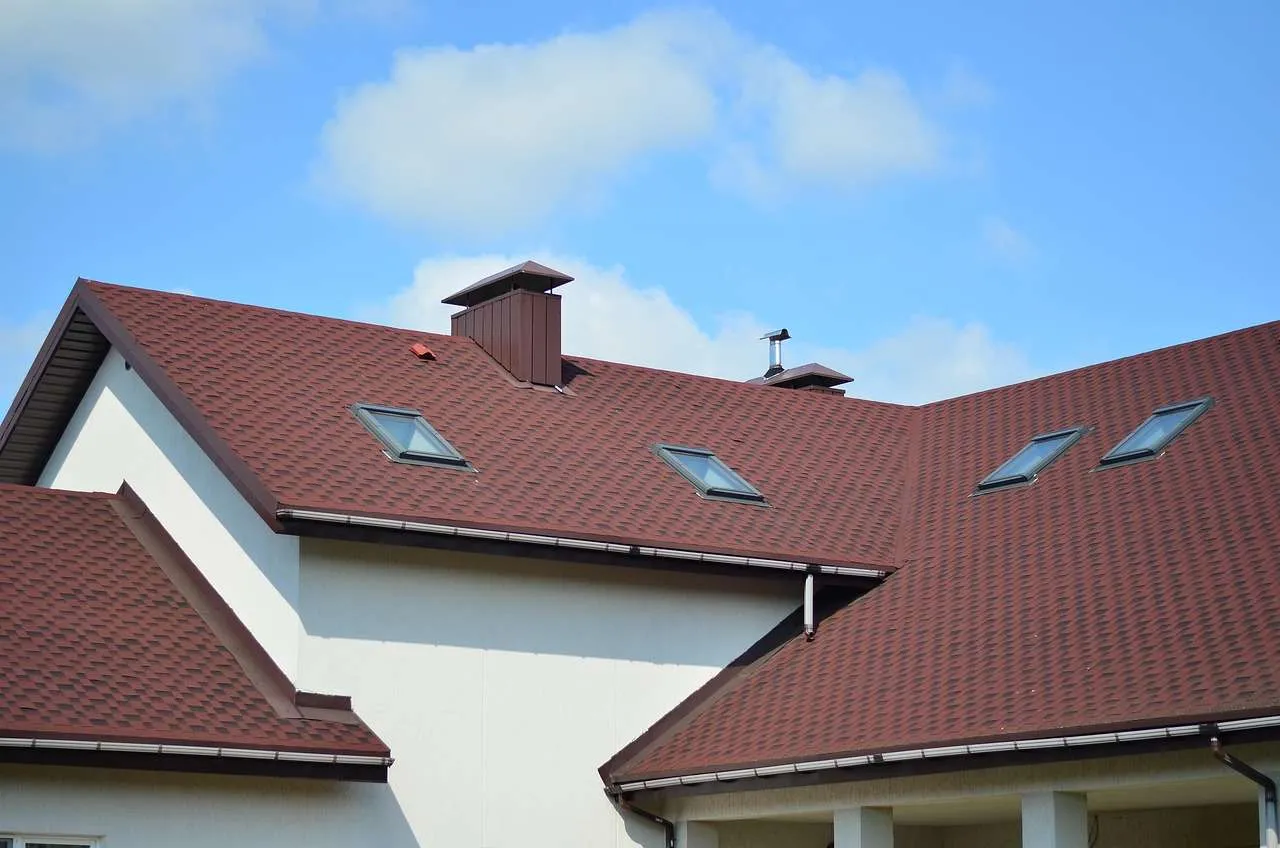
EPDM roofing is a popular choice for flat and low-slope roofs, known for its durability, flexibility, and affordability. This article explains what EPDM roofing is, its benefits, installation options, maintenance, and how it compares with other common flat-roof membranes to help you choose the right solution for your building.
What is EPDM Roofing?
EPDM stands for ethylene propylene diene monomer, a synthetic rubber membrane used on flat and low-slope roofs. It's manufactured in black or white membranes, typically 45 mil, 60 mil, or 90 mil thick. The material is known for its elasticity, weather resistance, and easy seam installation. Common installation methods include fully adhered, mechanically attached, or loose-laid/ballasted systems when used with ballast stones or pavers. Due to its generic composition, EPDM roofing is widely offered by many manufacturers and contractors, making it a cost-conscious option for both commercial and residential projects.
Benefits of EPDM Roofing
- Durability and flexibility: The rubber membrane remains flexible in extreme temperatures, resisting cracking and hail damage better than some alternatives.
- Weather resistance: Excellent water resistance with strong resistance to ozone and UV exposure when properly installed; white EPDM membranes offer greater solar reflectivity in hot climates.
- Ease of installation and repair: Simple seam repairs and patches keep maintenance costs low, reducing long-term ownership costs.
- Affordability and availability: Moderate initial cost with a long service life and wide supplier support across regions.
- Low maintenance: Minimal routine care beyond periodic inspections and debris removal.
Common Applications and Design Considerations
EPDM is well-suited to commercial roofs, apartment complexes, and some residential flat areas. Designers should plan for proper drainage to prevent ponding, ensure flashing transitions around penetrations, and choose the right thickness for climate and traffic. For energy efficiency, choose white or reflective coatings over black membranes where heat gain is a concern.
Installation Considerations
Professional installation is essential for best performance. Options include:
- Fully adhered EPDM: Glue-applied membrane that creates a continuous air and moisture seal.
- Mechanically attached EPDM: Fastened with screws through plates or specific fasteners; suitable for wind-prone areas.
- Ballasted or loose-laid EPDM: Not glued; secured by ballast such as stones or pavers; common in temporary or retrofit scenarios.
Always verify warranties, ensure compatible substrates, and check that seams are properly sealed with compatible adhesives or seam tapes. Regular inspections after heavy storms help catch loose flashings and punctures early.
Maintenance, Longevity, and Common Issues
With proper care, EPDM roofing can last 20 to 30 years or more. Maintenance involves periodic cleaning, debris removal, and sealing around penetrations. Watch for problems such as seam separation, flashing failures, ponding water, or damage from hail or foot traffic on roof surfaces. While EPDM is relatively repair-friendly, large punctures or complex membrane damage often requires a professional assessment and patching or membrane replacement.
Comparisons: EPDM vs Other Flat-Roof Membranes
| Material | Durability | UV/Heat Resistance | Typical Cost | Installation |
|---|---|---|---|---|
| EPDM | 20–30 years common; long-term durability | Black variants absorb heat; white variants offer better reflectivity | Moderate | Flexible seams; various attachment methods |
| TPO | 15–25 years | Excellent UV resistance | Moderate to high | Heat-welded seams |
| PVC | 25–30+ years | Excellent UV resistance | Higher | Heat-welded seams |
Cost Considerations and Contractor Selection
Project cost depends on roof size, thickness, substrate condition, and labor rates. EPDM is often the most economical rubber option for flat roofs, especially when repairability and long service life are factored in. When selecting a contractor, prioritize licensed, insured firms with EPDM experience, transparent warranties, and positive local reviews. Request a written estimate that covers materials, installation method, drain details, and post-installation maintenance guidance.
For any roofing choice, consider climate, building use, and long-term budget. A proactive maintenance plan can extend the membrane life and protect the structure beneath.
Conclusion, EPDM roofing offers a durable, cost-effective solution for flat roofs with flexible installation options and straightforward maintenance, making it a strong choice for commercial and residential projects.