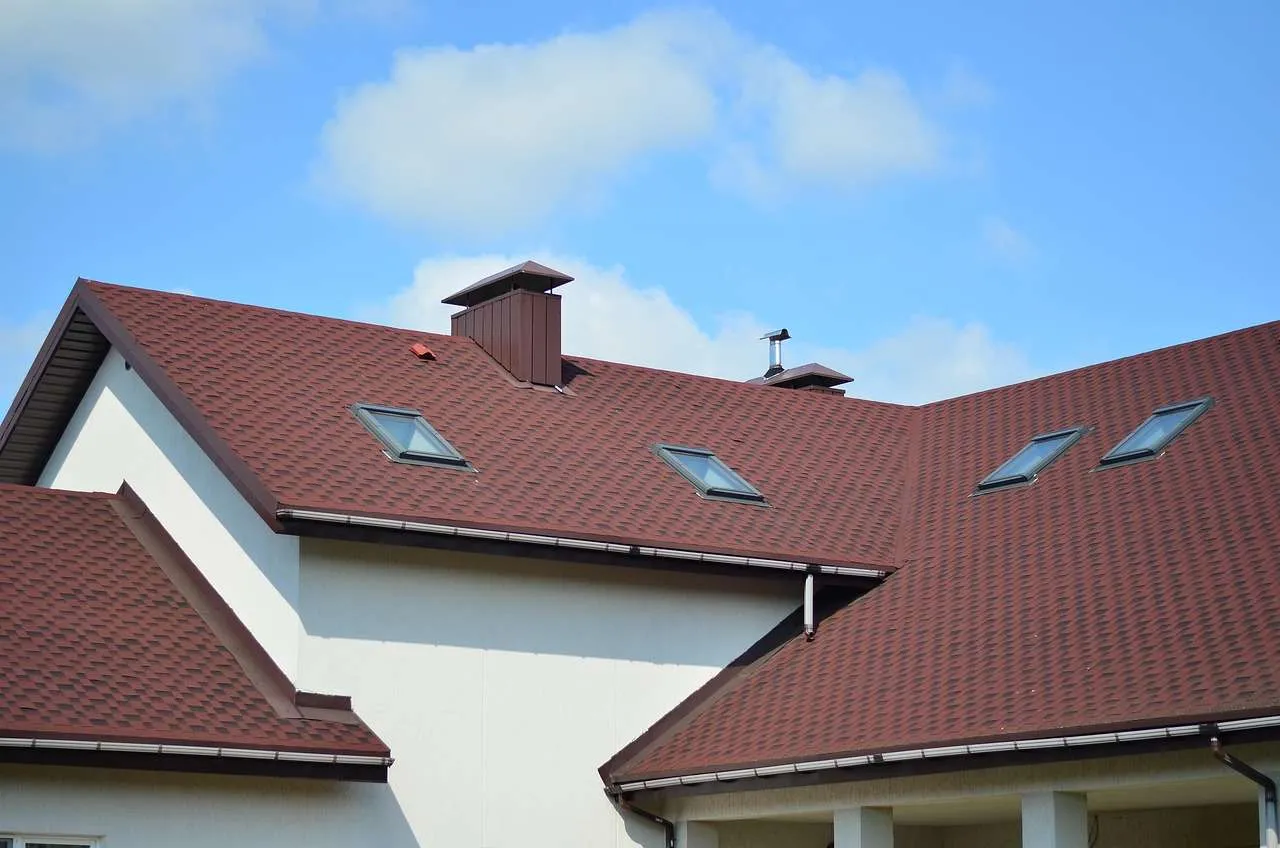
Roofing and Roof Repairs: Expert Guide
Roofing protects your home from the elements and adds long-term value. When issues arise, understanding roofing and roof repairs helps you make informed decisions quickly, safely, and cost-effectively. This guide covers common repair scenarios, cost considerations, how to choose a qualified contractor, and practical maintenance to extend your roof’s life. It emphasizes the principles of EEAT—expertise, authority, and trustworthiness—so you can hire with confidence.
Understanding Roofing and Roof Repairs
Roofing refers to the entire system that shields the structure from weather: shingles or tiles, underlayment, flashing, ridge caps, vents, and support. Roof repairs involve fixing specific problems such as leaks, damaged shingles, or flashing failures. Regular inspections, especially after severe weather, help identify issues before they escalate into costly replacements.
When to Repair vs When to Replace
Not every roof issue warrants a full replacement. Consider the following factors:
- Age of the roof: Most residential roofs last 15–25 years, depending on material. If the roof is near the end of its lifespan, replacement may be more cost-effective than frequent repairs.
- Extent of damage: Localized leaks or isolated shingle loss can often be repaired. Widespread damage, structural concerns, or multiple failing components may require replacement.
- Roofing material: Some materials tolerate repairs better than others. For example, asphalt shingles are commonly repaired, while clay tiles or metal roofs may require more extensive work to maintain integrity.
- Cost vs. value: Compare the repair estimate to a replacement cost. If repairs approach the cost of a new roof or do not address underlying issues, replacement may be advisable.
Common Roof Repair Types
Understanding typical repairs helps you communicate clearly with professionals and set expectations.
Shingle Replacement
Damaged, missing, or curled shingles can expose underlayment to moisture. Replacing individual shingles is common and usually straightforward when the roof deck is sound.
Leak Fixes
Leaks often stem from damaged flashing, worn seals around vents, or compromised shingles. Repairs focus on sealing the source and ensuring proper drainage to prevent future seepage.
Flashing and Valleys
Flashing around chimneys, skylights, chimneys, and in roof valleys can deteriorate. Proper flashing restoration prevents water intrusion and preserves roof integrity.
Vent and Seal Repairs
Rusted or improperly sealed vents can cause condensation and leaks. Repair typically involves resealing, replacing gaskets, or realigning components.
Gutter and Drainage Corrections
Clogged or misaligned gutters cause water backup that damages the roof edge and fascia. Repairs may include cleaning, realigning, or adding guards.
The Repair Process: What to Expect
A professional roof repair typically follows clear steps to ensure quality and safety:
- Initial inspection and assessment (identify source of damage and estimated scope).
- Written estimate detailing materials, labor, timelines, and warranties.
- Permits if required and scheduling of work during favorable weather.
- Repair execution by licensed technicians, with on-site safety checks.
- Post-repair inspection and cleanup, plus a warranty overview.
For complex issues, a contractor may need to replace sections of underlayment or decking. Always request a signed estimate and a written warranty for workmanship and materials.
How to Choose a Roofing Contractor (EEAT)
Expertise, authority, and trustworthiness matter as much as the technical skill. Consider these criteria when selecting a roofer:
Verify active state or local licenses and general liability workers’ compensation insurance. Seek recent customer references and check independent review sources for consistency. Compare scope, materials, timelines, and contingencies across at least two bids. Timely responses, on-site explanations, and transparent pricing build trust.
Cost Considerations and Budgeting
Costs vary by region, roof size, materials, and the severity of damage. Typical factors include labor, material quality, removal of old material, and disposal fees. A rough guide is:
| Scenario | Typical Cost Range | Pros | Cons |
|---|---|---|---|
| Minor repair (shingle replacement, leak fix) | $150–$750 per event | Lower upfront cost, quick fix | May recur if underlying issues persist |
| Moderate repair (multiple shingles, flashing) | $750–$2,000 | Prevents further damage | Budget impact if multiple areas |
| Roof replacement (asphalt) | $5,000–$15,000+ | Long-term peace of mind, updated warranty | Higher upfront cost |
Always factor in long-term value and potential energy savings from newer materials, as well as possible insurance coverage for storm damage. A well-documented estimate helps you compare apples-to-apples decisions.
Maintenance Tips to Extend Roof Life
Preventive care reduces the frequency of repairs and extends service life:
- Schedule annual inspections, especially after storms.
- Keep gutters clear and ensure proper drainage away from the home.
- Trim overhanging branches to minimize physical damage and moisture retention.
- Address attic ventilation to prevent heat and moisture buildup.
- Repair small issues promptly to avoid cascading damage.
Sectional Summary: Repair, Resources, and Reliability
Roofing and roof repairs demand careful assessment, accurate budgeting, and reliable workmanship. By distinguishing repair from replacement, prioritizing reputable contractors, and investing in maintenance, homeowners can protect their homes, preserve curb appeal, and maximize the lifespan of their roof.
Conclusion, timely roof repairs combined with a planned maintenance schedule and a qualified contractor help preserve home value, reduce risk, and ensure durable performance for years to come.