Bathroom Tile Styles and Tips
As homeowners search for bathroom tile, they look for durability, style, and value. This guide covers selection, installation, and maintenance to help you choose tile that stands up to moisture and daily use while enhancing room aesthetics.
Understanding bathroom tile
Tile in a bathroom faces moisture, heat, and frequent cleaning. The best choices combine water resistance with ease of care and an appearance that fits your overall design.
Common tile materials
Porcelain and ceramic are the workhorses of most bathrooms. Porcelain is denser, less porous, and typically more durable for floors. Ceramic is versatile and budget friendly, ideal for walls. Natural stone such as marble or limestone offers warmth and texture but requires sealing and ongoing maintenance. Glass tiles add light and shimmer but can be slippery on floors and may show water spots. Cement tiles provide bold patterns but need sealing and careful maintenance. For high moisture areas, opt for tiles with low water absorption and a slip resistant texture.
Design and layout considerations
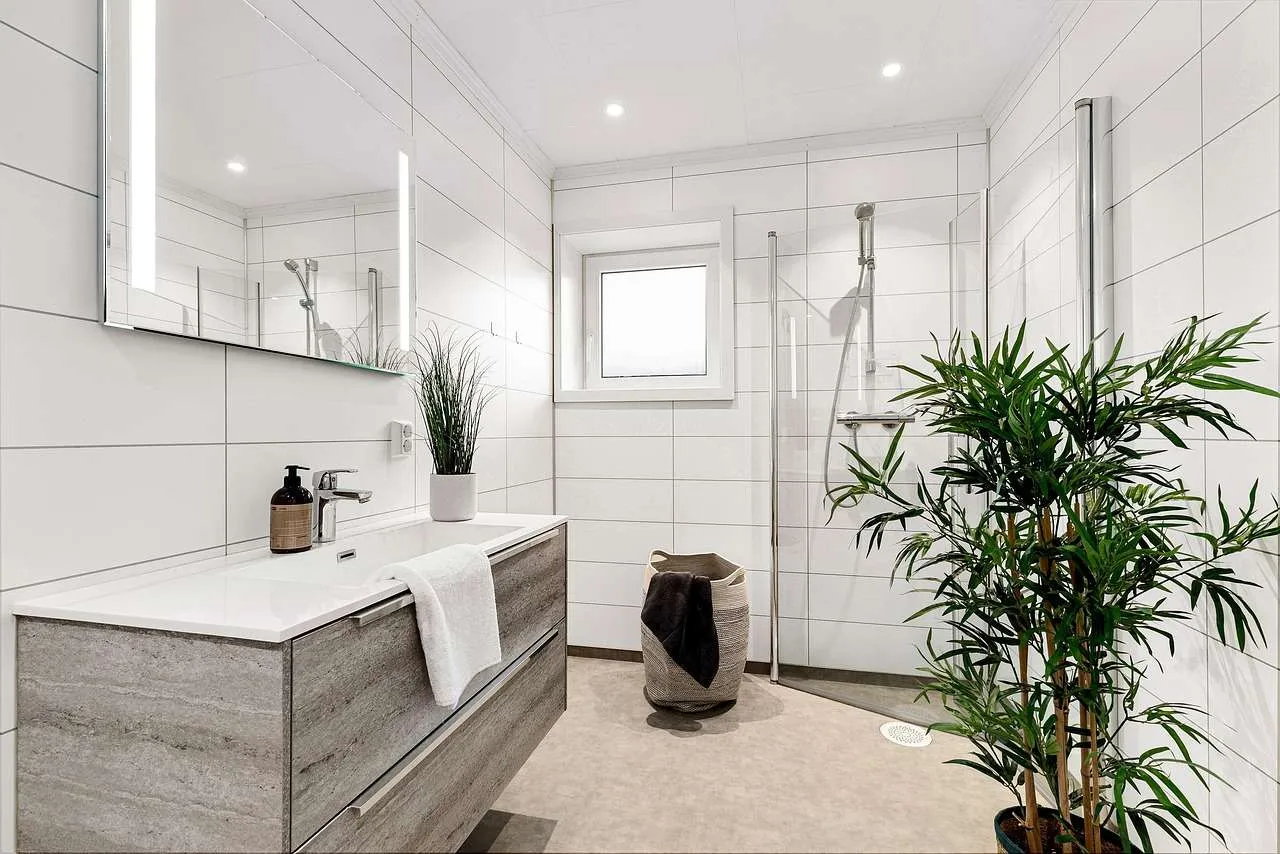
Size matters. Large format tiles reduce grout lines and create a seamless look, while small tiles offer grip and intricate patterns. Subway tile remains a classic choice for walls, while herringbone and basket weave patterns add visual interest. Choose grout color to blend or define the tile field. For showers, pair anti slip finishes with a waterproof backing and topical sealants and plan for proper drainage.
Slip resistance and safety
Safety is essential. Floors in wet areas should have a higher slip resistance rating and often a matte or textured surface. When choosing floor tiles, look for a dynamic friction rating or test results from the manufacturer. Use anti slip mats and ensure proper underlayment and waterproofing to prevent moisture from reaching substrate.
Installation basics
Professional installation is recommended for floors and wet zones. Prepare a flat, clean substrate, apply a waterproofing membrane, and set tiles with appropriate thinset. Back butter large format tiles to ensure full contact and minimize lippage. Grout with a sealable grout and consider epoxy grout for high moisture zones. Allow proper curing and protect freshly set tiles from cleaning products until cured.
Maintenance and cleaning
Regular cleaning prevents soap scum and mineral buildup. Use pH balanced cleaners and avoid acidic products on natural stone. Wipe down tiles after showers to reduce mildew risk. Seal natural stone and grout lines as recommended by manufacturers, and regrout when cracks appear to maintain moisture barriers.
Cost considerations and budgeting
Budgeting should include tile price, substrate preparation, waterproofing, underlayment, grout, sealers, and labor. Ceramic and porcelain tiles typically offer affordable options with long life, while natural stone can raise both material and maintenance costs. Plan for potential substitutions, sample testing, and a contingency for unexpected prep work in remodels.
Table: Pros and cons by material
| Material | Pros | Cons | Best Use |
|---|---|---|---|
| Ceramic | Budget friendly, easy to cut | Less durable than porcelain | Walls and showers |
| Porcelain | Very durable, low water absorption | Harder to cut | Floors and wet areas |
| Natural stone | Premium look, unique | Sealing and maintenance | Bathrooms with proper care |
| Glass | Brilliant light, modern | Slippery on floors, fragile | Backsplashes, accents |
| Metal | Industrial vibe, durable | Showy and scratch prone | Accent strips, trims |
Choosing the right tile for your bathroom
Start with practicality before style. Consider moisture exposure, foot traffic, cleaning routine, and the layout. Request samples and test them in your actual bathroom lighting. Check the warranty and source reliability by consulting reputable suppliers or a licensed installer for recommendations tailored to your climate and use.
Conclusion
Conclusion, a deliberate tile choice combines material durability, practical slip resistance, thoughtful layout, and proper maintenance. By prioritizing waterproofing, professional installation, and regular care, you create a bathroom that remains beautiful and functionally reliable for years to come.