Bathroom Tiles: Styles, Types & Care
Introduction: Why bathroom tiles matter
Choosing bathroom tiles is more than color and pattern; it defines durability, safety, and long term maintenance in one of the home's most used spaces. A well chosen tile plan reflects expertise and trust, and the right installation ensures reliable performance for years.
Tile types: what to know
Ceramic tiles are budget friendly, versatile, and easy to cut, making them popular for walls, backsplashes, and shower enclosures. They accept glaze well and come in countless colors and patterns. Porcelain tiles are denser and less porous, offering superior moisture resistance and durability. They are ideal for floors and wet areas where wear is a concern. Natural stone tiles such as marble, travertine, or slate bring a premium look but require sealing, regular maintenance, and periodic reapplication of protective products. Glass tiles add brightness and reflectivity, often used as accents or in small runs. Cement and quarry tiles provide an industrial vibe with durability, but unsealed surfaces may demand more upkeep.
Ceramic versus porcelain
Ceramic tiles are glazed and easy to cut, making them ideal for DIY projects and features. Porcelain is a subset of ceramic fired at higher temperatures with lower water absorption, providing greater density. For bathrooms, porcelain is typically preferred for floors and high-traffic wet areas due to its durability and better moisture resistance.
Natural Stone and glass
Natural stone brings a luxury, unique pattern every tile, but many stones require sealing to limit staining and water penetration. Glass tiles are non-porous and resist staining, but they can show water spots and require careful cleaning to maintain clarity. For both stone and glass, balance with appropriate grout and edging to prevent chipping in high-traffic zones.
Size and pattern choices
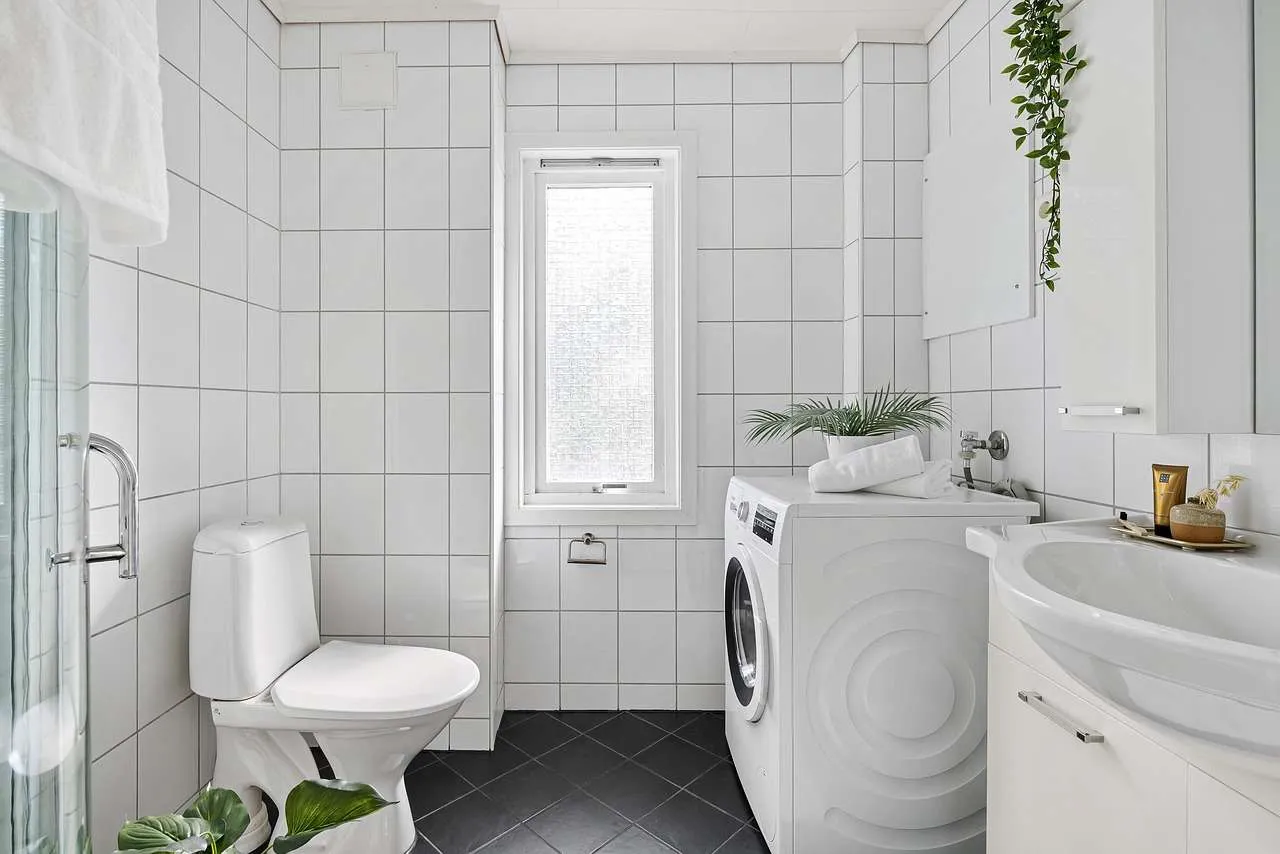
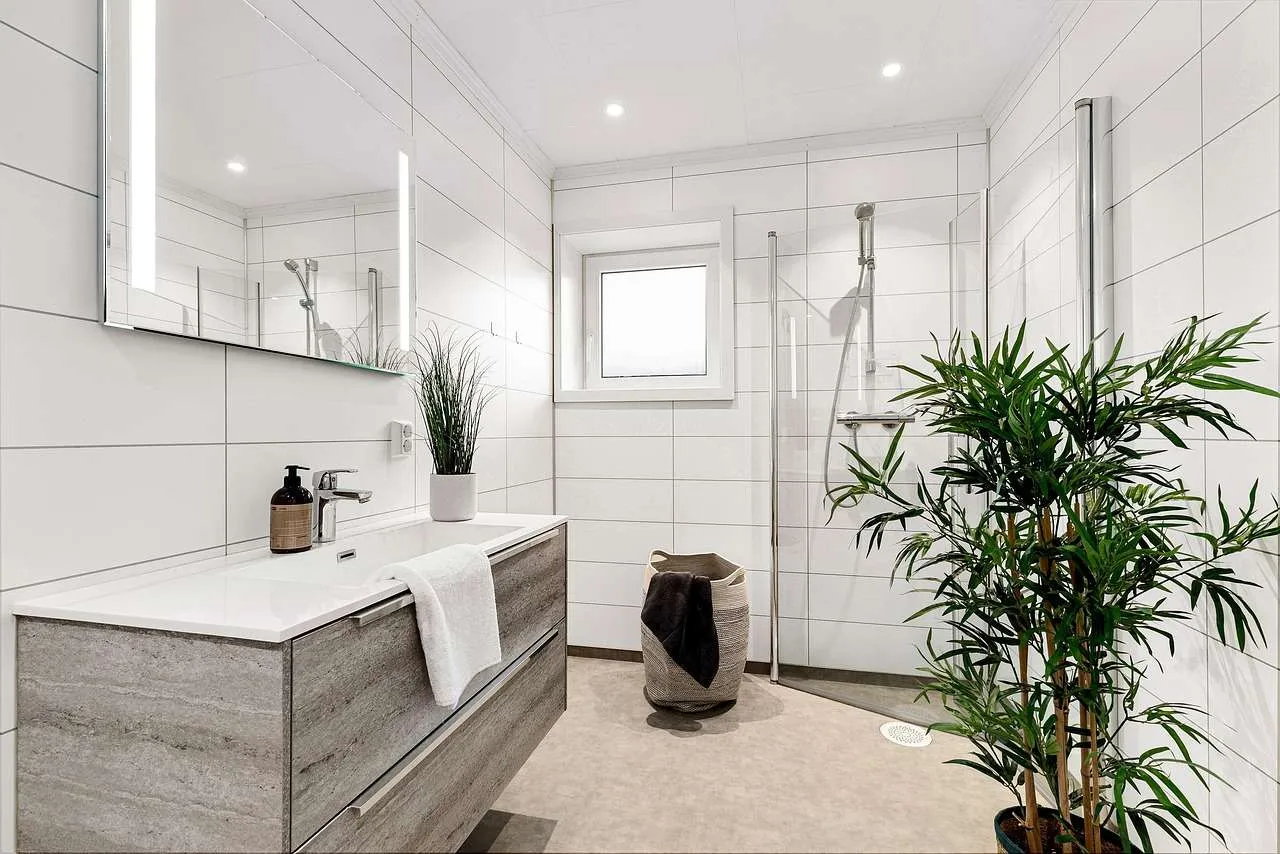
Tile size affects space perception. Large format tiles create a seamless, minimal grout line look, while small mosaics offer better grip and detail in showers and niches. Patterns such as subway, herringbone, or vertical stacking can alter room flow and perceived height. When planning patterns, ensure consistent alignment and consider layout options before purchase.
Finish, grout, and color
Finish choices influence maintenance and mood. Matte finishes resist fingerprints and are generally more slip resistant, while gloss finishes brighten a space. Grout color can either camouflage imperfections or highlight tile geometry; epoxy grout lasts longer in wet areas, while cementitious grout may require sealing and periodic upkeep. For lighter tiles, a slightly darker grout often hides grime better, while matching grout can create a uniform field.
Installation essentials: waterproofing and substrate
Waterproofing is foundational in a bathroom. A membrane or waterproof barrier beneath the tile protects framing and structure from leaks. Proper substrate preparation, flatness, and appropriate thinset selection are crucial. Hiring a licensed installer ensures quality workmanship, warranty coverage, and peace of mind for long-term performance.
Maintenance and cleaning tips
Regular cleaning with non-abrasive cleaners preserves color and glaze. Seal porous stones and re-seal grout as recommended by the manufacturer to extend life. Address moisture and mold promptly, and use bath mats or non-slip rug underfoot to reduce water exposure on floor tiles. For glass or mirror features, wipe with a microfiber cloth to prevent water spots.
Cost, sustainability, and trends
Tile costs vary by type, size, pattern complexity, and installation. Porcelain and large format tiles may entail higher upfront costs but offer durability and fewer grout lines, saving maintenance time. Sustainable options include low-VOC adhesives and grouts, responsibly sourced materials, and tiles manufactured with minimal environmental impact. Current trends favor natural stone looks, realistic wood or concrete visuals, bold patterns as accents, and calm neutral palettes that suit contemporary bathrooms.
Tile types at a glance
| Tile Type | Pros | Cons | Best For | Typical Price |
|---|---|---|---|---|
| Ceramic | Budget friendly; easy to cut | Less dense; staining risk | Walls, splashbacks | Low |
| Porcelain | Dense; water resistant; durable | Cost higher; cutting harder | Floors, wet areas | Medium |
| Natural Stone | Luxury look; unique patterns | Requires sealing; maintenance | Bathrooms, shower surrounds | High |
| Glass | Bright; translucent accents | Visible water spots; costly | Accents, backsplashes | Medium |
Conclusion
Summary: By understanding tile types, sizes, finishes, and maintenance needs, homeowners can choose bathroom tiles that combine style with durability. Work with a qualified installer, prepare the substrate properly, and select colors and grout to balance aesthetics with long-term care and budget. A well planned tile project enhances water resistance, reduces upkeep, and elevates the overall bathroom experience.