Small Bathroom Ideas: Smart Design for Tiny Spaces

Unlocking the Potential of Small Bathroom Ideas
Even the smallest bathrooms can feel expansive with the right approach. This guide delivers proven small bathroom ideas that balance aesthetics, durability, and practicality. From layout to lighting, every choice should support daily use, ease of cleaning, and long-term value. Following best practices and design principles helps you achieve a space that looks larger, functions better, and remains timeless. For sensitive plumbing changes, consult licensed professionals to ensure safety, compliance, and EEAT—expertise, authority, and trustworthiness—throughout the project.
Layout and Fixtures: The Foundation of Tiny Spaces
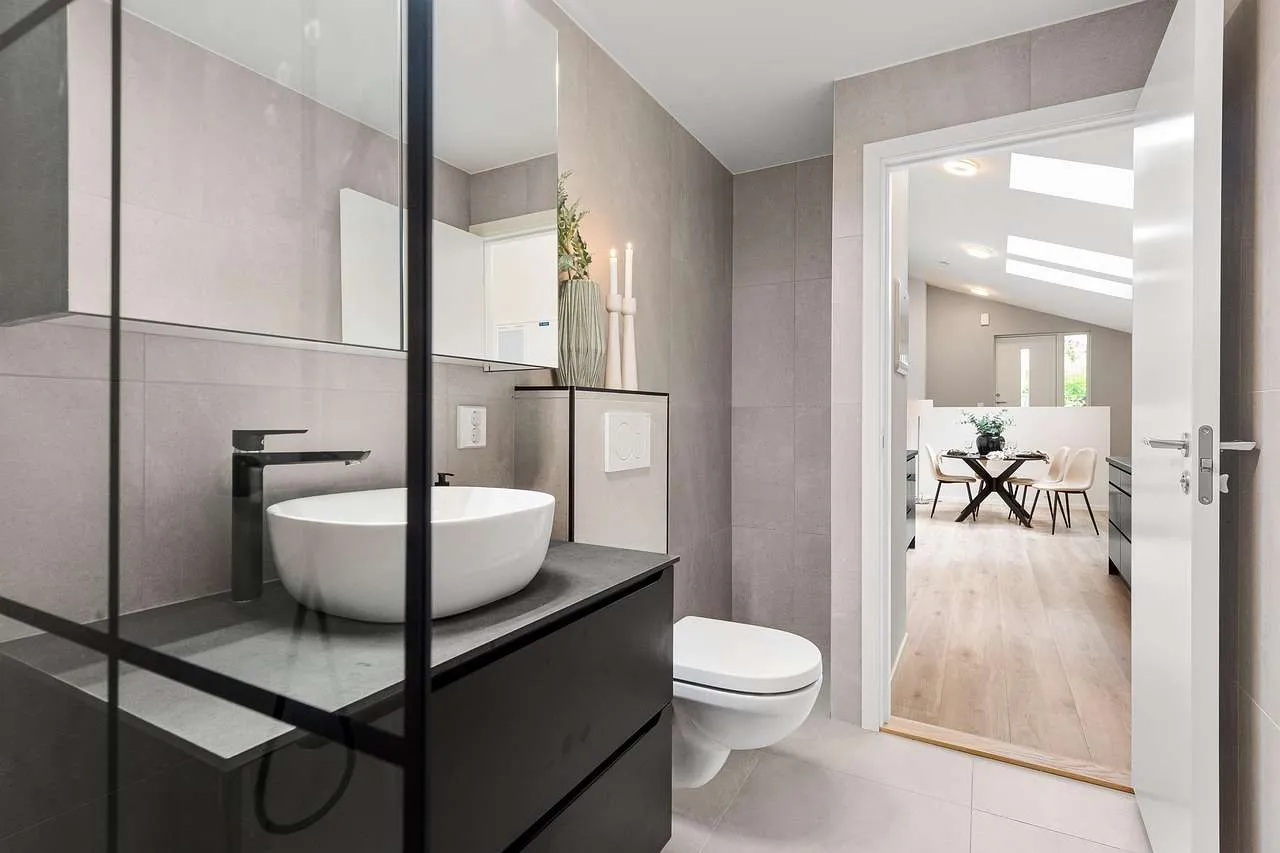
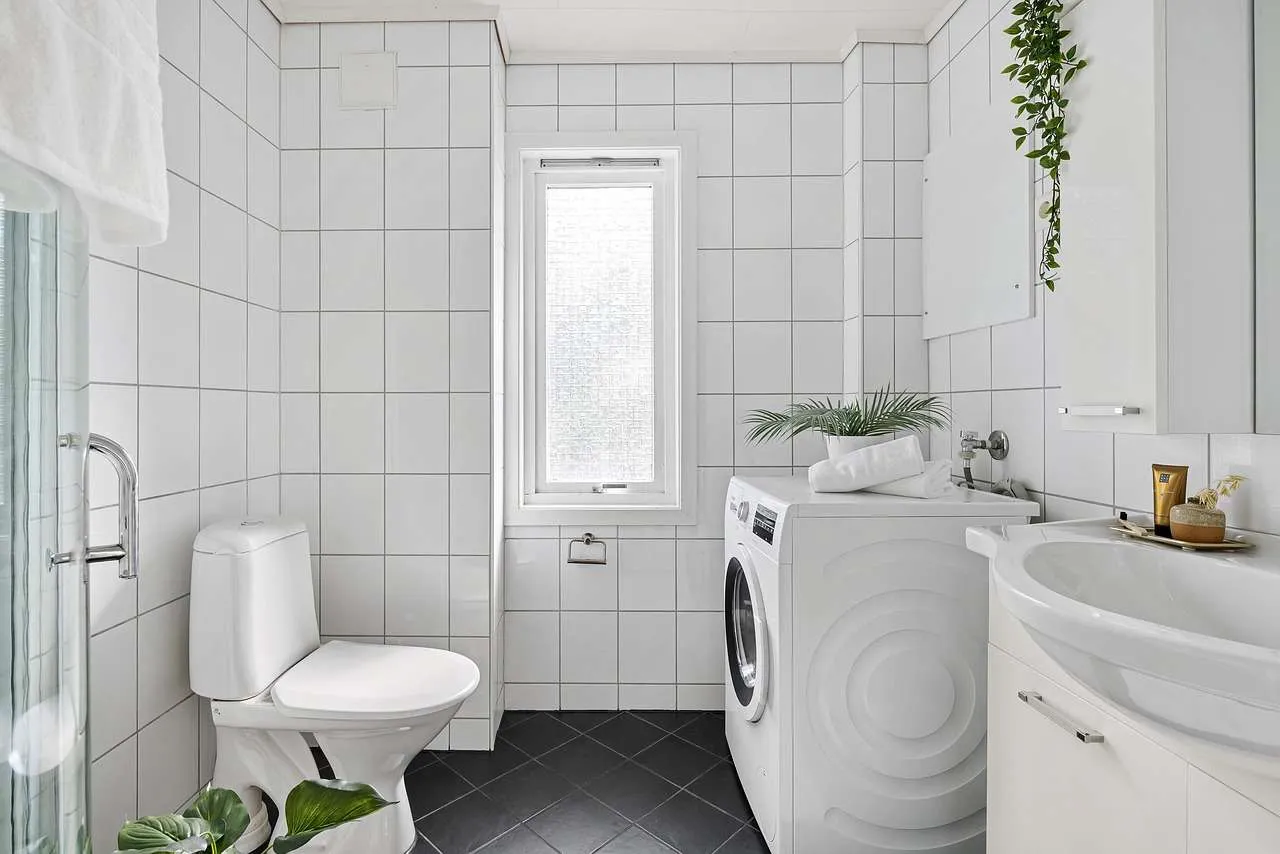
In small bathrooms, layout is everything. Start with a compact, wall-mounted vanity to create the illusion of more floor space. Pair it with a slim, dual-flush toilet and a corner or recessed shower stall to maximize usable area. When possible, choose a clear glass shower door or a frameless shower enclosure to maintain visual openness. For those renovating, consider a pocket door or a sliding barn door to save space that a swinging door would occupy. These layout choices establish a strong foundation for other design improvements.
Key Fixture Strategies
- Wall-mounted vanity and sink to free floor area.
- Compact, round or square toilets with concealed plumbing where feasible.
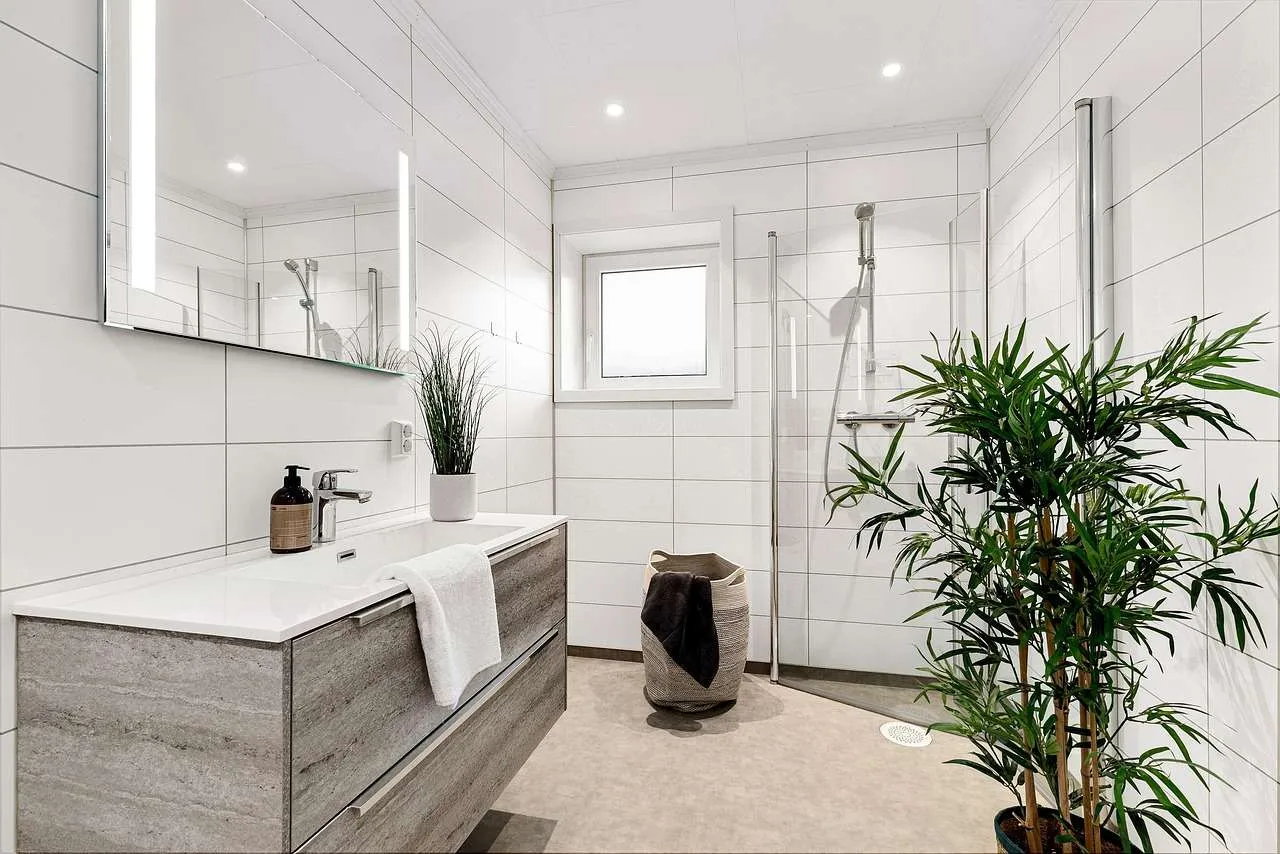
- Corner or alcove showers with glass panels to reduce visual clutter.
- Integrated niches in the shower for toiletries to prevent clutter on the bench or floor.
Color, Lighting and Surfaces: Make It Feel Larger
Color and lighting are the fastest ways to transform a small bathroom. Light, neutral tones reflect more light and create a calm, open feel. Large-format porcelain or ceramic tiles reduce grout lines, which helps the space appear bigger and easier to clean. Mirrors are powerful: a full-wall mirror or a large framed mirror can visually double the room. Layered lighting—ambient ceiling light, task lighting by the mirror, and soft accent lights—eliminates shadows and adds warmth. Remember to choose LED fixtures with high Color Rendering Index (CRI) to reproduce true colors for makeup, shaving, and skincare.
Design Highlights
- Use white or pale neutrals with a few restrained accent colors for depth.
- Bright, even lighting reduces the perception of smallness.
- Glossy or satin finishes on countertops and tiles reflect light without glare.
Storage Solutions: Clever, Hidden, and Accessible
Storage is the backbone of a functional small bathroom. Prioritize built-in storage that integrates with the room’s structure. Consider wall niches for shampoos, recessed shelves in the shower, and a medicine cabinet with a mirrored front. A tall, slim storage cabinet or pantry next to the vanity can hold towels, toiletries, and cleaning products without crowding the footprint. Hooks, magnetic strips, and towel rails mounted on the back of the door create additional space for essentials. All storage should be water-resistant and easy to wipe down to maintain a clean, organized look.
Practical Storage Ideas
- recessed shower niches to keep products off the floor.
- wall-mounted vanity with drawers or shelves for daily items.
- mirror cabinets for toiletries and first aid supplies.
- over-the-toilet storage or a tall, narrow cabinet for extra towels.
Materials, Durability, and Maintenance
Choose materials that stand up to moisture and are easy to maintain. Porcelain and ceramic tiles are durable and water-resistant, especially when graded for high-traffic bathrooms. Quartz countertops offer a consistent color and low maintenance, while solid-surface shower walls resist mold with proper ventilation. For flooring, consider textured porcelain or vinyl planks with a slip-resistant rating for safety. A simple cleaning routine—daily wipe-down of mirrors and fixtures, weekly mopping, and annual grout sealing—extends the life of a small bathroom and keeps it looking fresh.
Material Selection Tips
- Opt for large-format tiles to minimize grout lines andcreate a seamless look.
- Choose water-resistant cabinetry with moisture seals and soft-close hardware.
- Use glass or acrylic shower panels to maintain visibility and light.
Comparison and Quick Checklist
| Option | Pros | Cons | Best For |
|---|---|---|---|
| Wall-mounted vanity | Creates floor space, easier cleaning | Requires sturdy wall support | Urban apartments, smaller baths |
| Corner shower | Maximizes usable area, looks open | Container for toiletries in a corner may still crowd | Compact bathrooms with corner access |
| Pocket door | Saves swing space, seamless look | Complex installation, more cost | Very small floor plan optimization |
| Sliding glass panel | Clear sightlines, modern aesthetic | Requires proper track maintenance | Shallow-depth showers |
Practical Design Checklist
- Define a clear focal point (shower, vanity, or mirror).
- Choose a light color palette and large-format tiles.
- Incorporate two or more lighting layers and a dimmer switch.
- Prioritize moisture-resistant storage and fixtures.
- Consult a licensed professional for plumbing or electrical work.
These small bathroom ideas reflect current design thinking that emphasizes efficiency without sacrificing style. By prioritizing layout, lighting, and hidden storage, you’ll create a space that feels larger, functions better for daily routines, and remains resilient to moisture and wear. The result is a bathroom that blends practicality with a calm, modern aesthetic.
Conclusion, applying these small bathroom ideas helps you optimize space while preserving visual harmony and ease of maintenance. Start with a solid layout, then layer light and storage to support daily use. With careful material choices and professional guidance where needed, your compact bathroom can be equally functional and inviting as any larger room.